
Unity
Game Development
August 12, 2019
Role: Lead Creative & Technical Studio (NUUKE)
Genre: 3D/2D Hybrid Narrative Adventure
Platforms: PC, Console
Duration: 24 months (Concept → Launch)
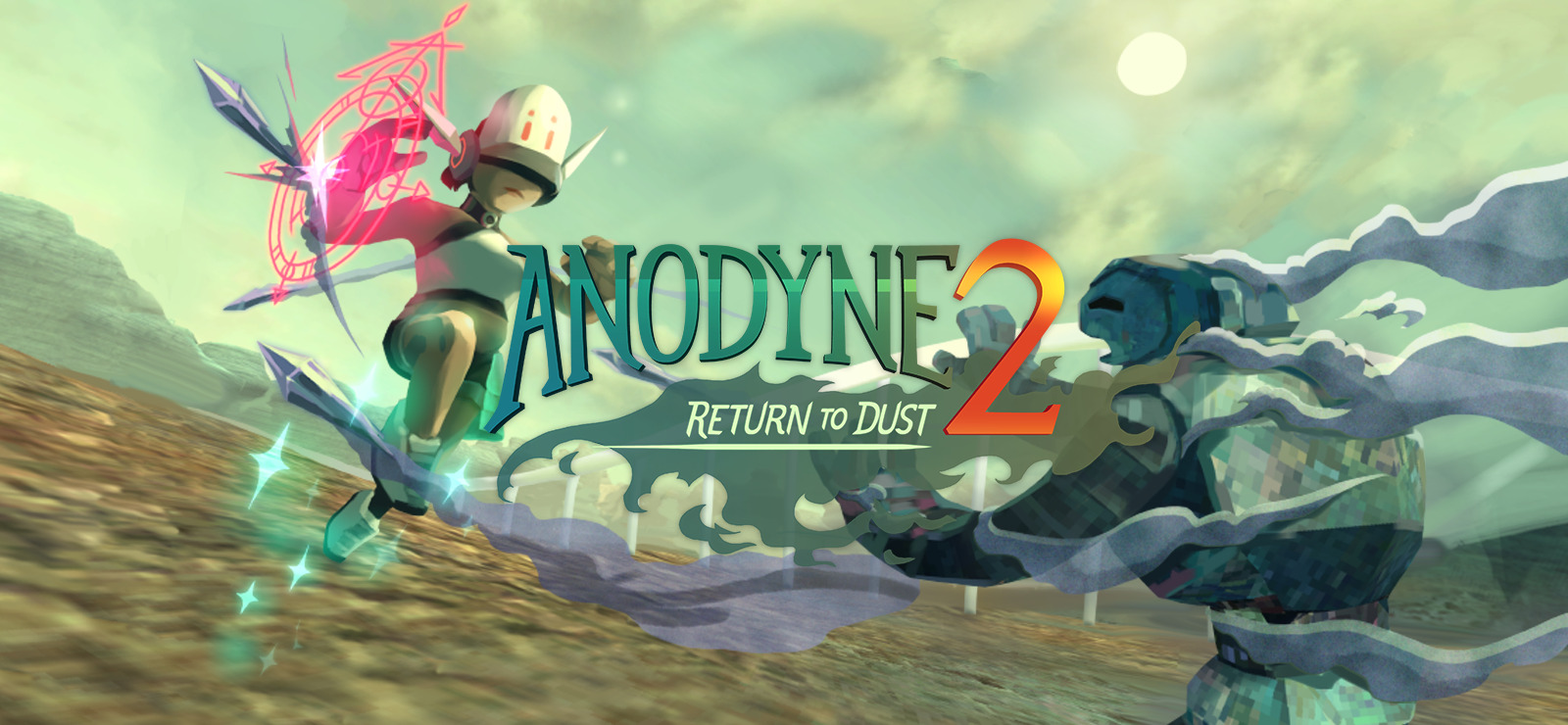
Anodyne 2: Return to Dust stands out as a surreal, emotionally rich game blending retro nostalgia with modern mechanics. NUUKE’s role was to elevate every layer of the experience: from world structure and art systems to player interactivity, sound design integration, and narrative cohesion. The aim was clear:
Create a surreal, immersive, and emotionally resonant universe that feels handcrafted and poetic — seamlessly connecting exploration, story, and player emotion.
The core creative ambition was to build a game that feels:
NUUKE’s central mission was to unify the disparate parts — text, world, mechanics, and emotion — into one cohesive sensory experience.
NUUKE began with a deep analysis of the game’s core themes:
Rather than a traditional linear script, we designed a narrative lattice — a non-hierarchical story structure that can be experienced in multiple orders but retains emotional impact.
This led to:
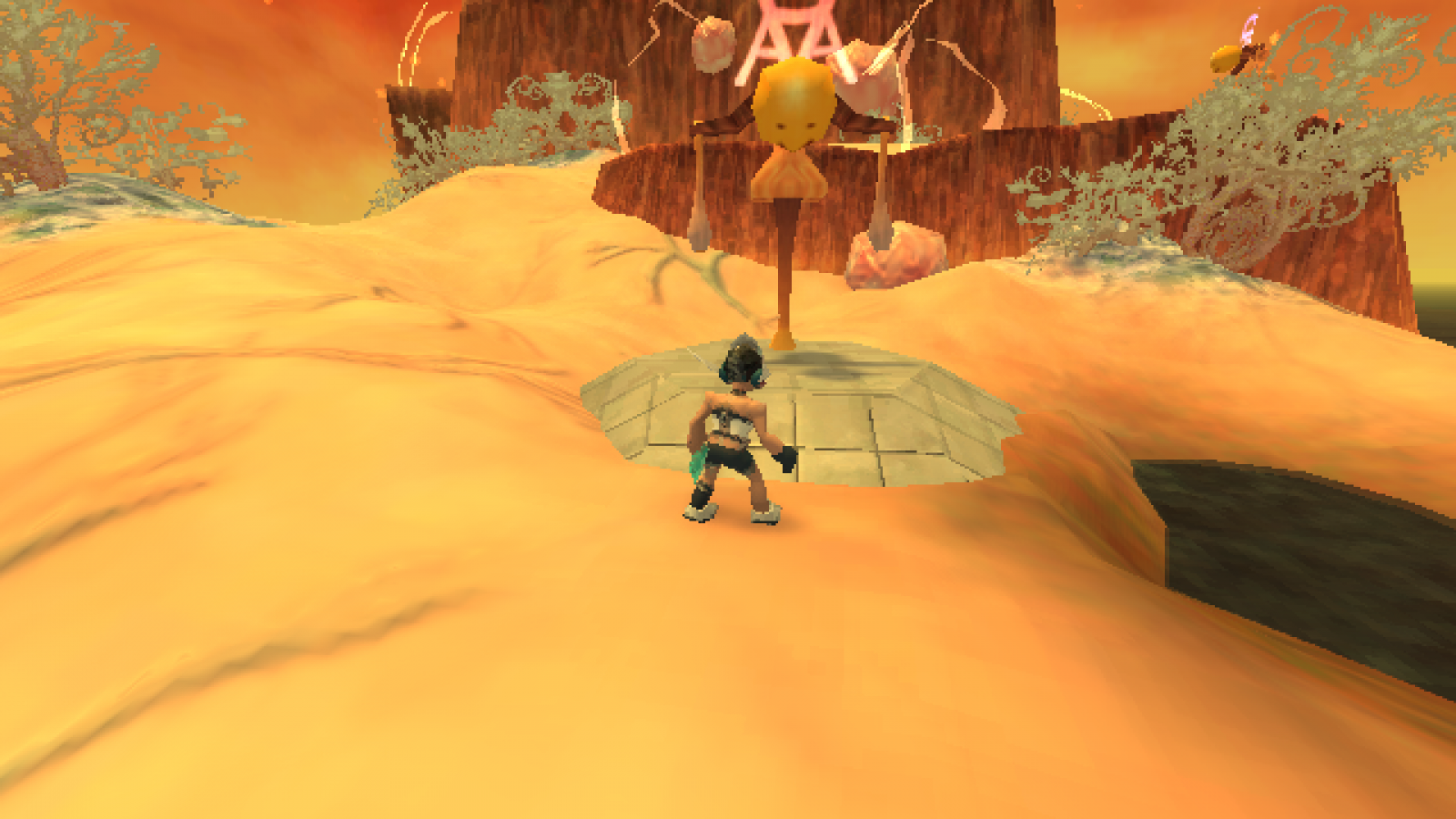
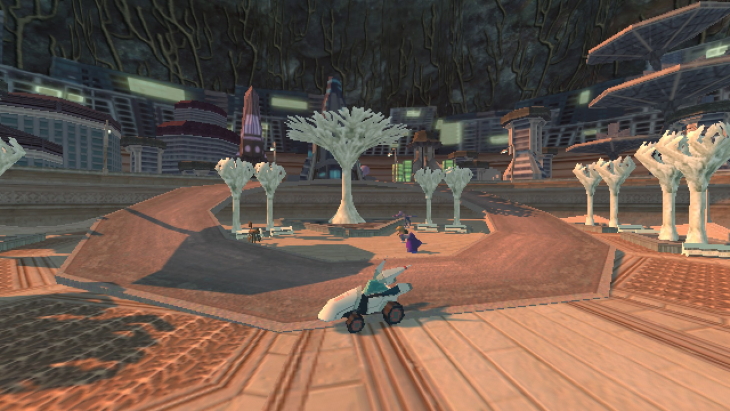
Anodyne 2’s visual identity is deliberate — blending pixel aesthetics and subtle 3D depth.
NUUKE’s Visual Team established:
To unify 2D and 3D worlds without jarring transitions:
Instead of static color rules, NUUKE developed a palette logic system that shifts world tone subtly based on emotional context:
Example:
This gave every biome more emotional texture.
NUUKE engineered a hybrid system using Unity with customized tooling:
To allow seamless transitions between 2D and 3D without load screens.
Allowed artists and designers to build world components without heavy programming dependencies.
Ensured pixel art preservation at variable framerates while maintaining modern responsiveness on high-end hardware.
NUUKE’s pipeline emphasized automation where possible so the development team could iterate quickly.
Instead of treating audio as background, NUUKE developed an adaptive sound environment where:
Our audio lead worked hand-in-hand with designers so that audio cues became gameplay guides, not just ambiance.
NUUKE built internal test automation that tracked:
This data drove adjustments to:
In every iteration, we asked:
Does this moment make the player feel connected to the world emotionally rather than just mechanically?
That question shaped every release candidate.
For the final quarter of development, NUUKE focused on:
Even exploration was treated like scene direction:
Dialogue and world text were not just content — they were interaction tools. Nuanced timing and spacing in text revealed pacing intentionally.
NUUKE’s creative principles for Anodyne 2 were:
Every system serves feeling first.
Pixels and 3D are not juxtaposed, they’re woven.
Story is the world, the world is the story.
Players should feel like they discover self, not just rooms.
Outcome & Impact
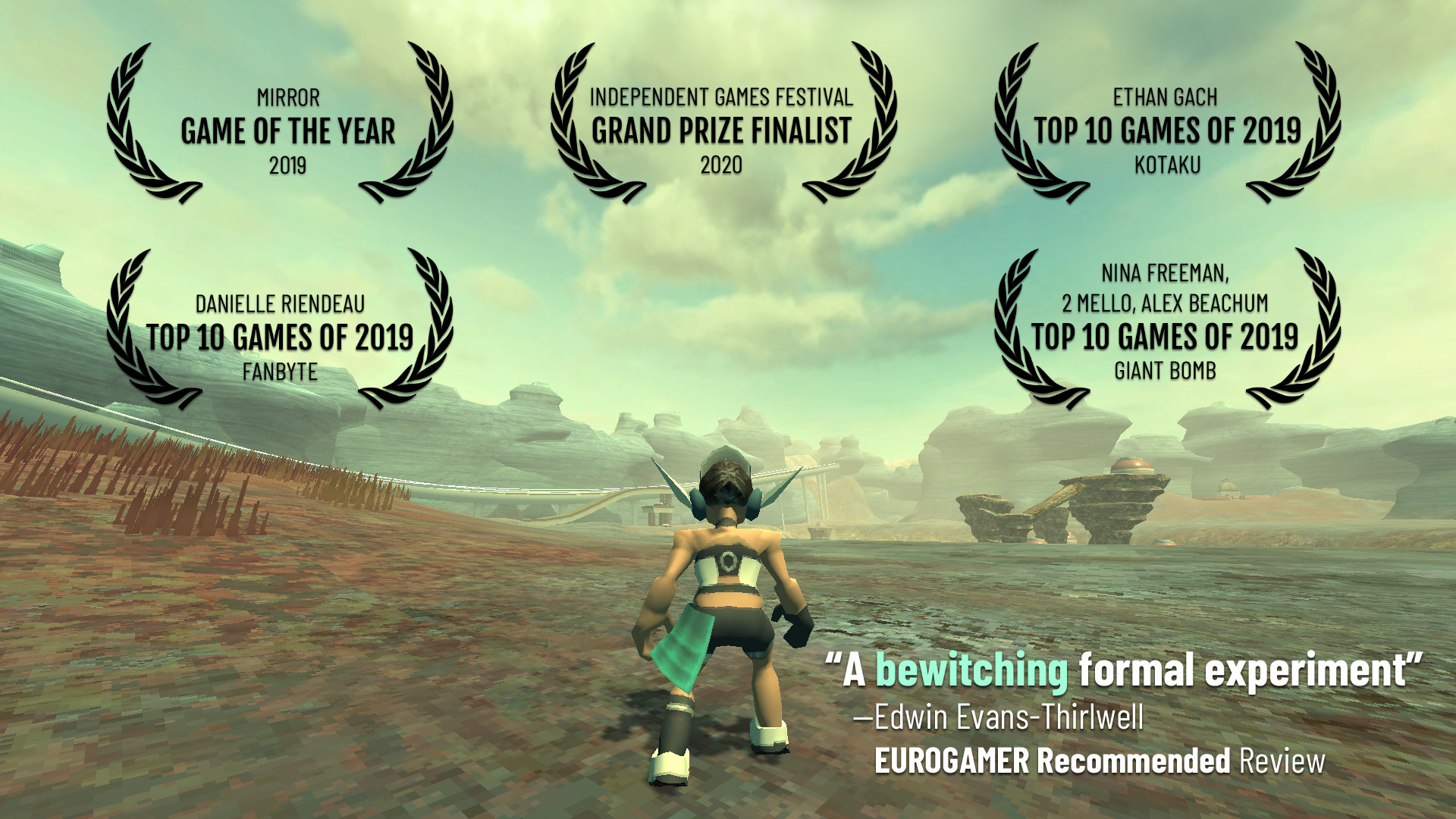
Anodyne 2: Return to Dust launched with:
NUUKE’s role was not just coding and art, it was architecting experience.
© 2025 NUUKE. All Rights Reserved.
Check out
Privacy Policy